
Essential Preparation for Your African Journey
Everything you need to know before you fly: visa requirements, health insurance, vaccinations, and packing essentials.
Ethiopia doesn't run on quite the same rhythm as most of the world — a different calendar, a different clock, and customs that reward a little preparation. As someone who has spent years guiding travelers through this country, I've put together the local knowledge I wish every guest had before they landed. None of it is complicated, but it makes the difference between feeling like a confused tourist and feeling like you actually understand the place you're visiting.
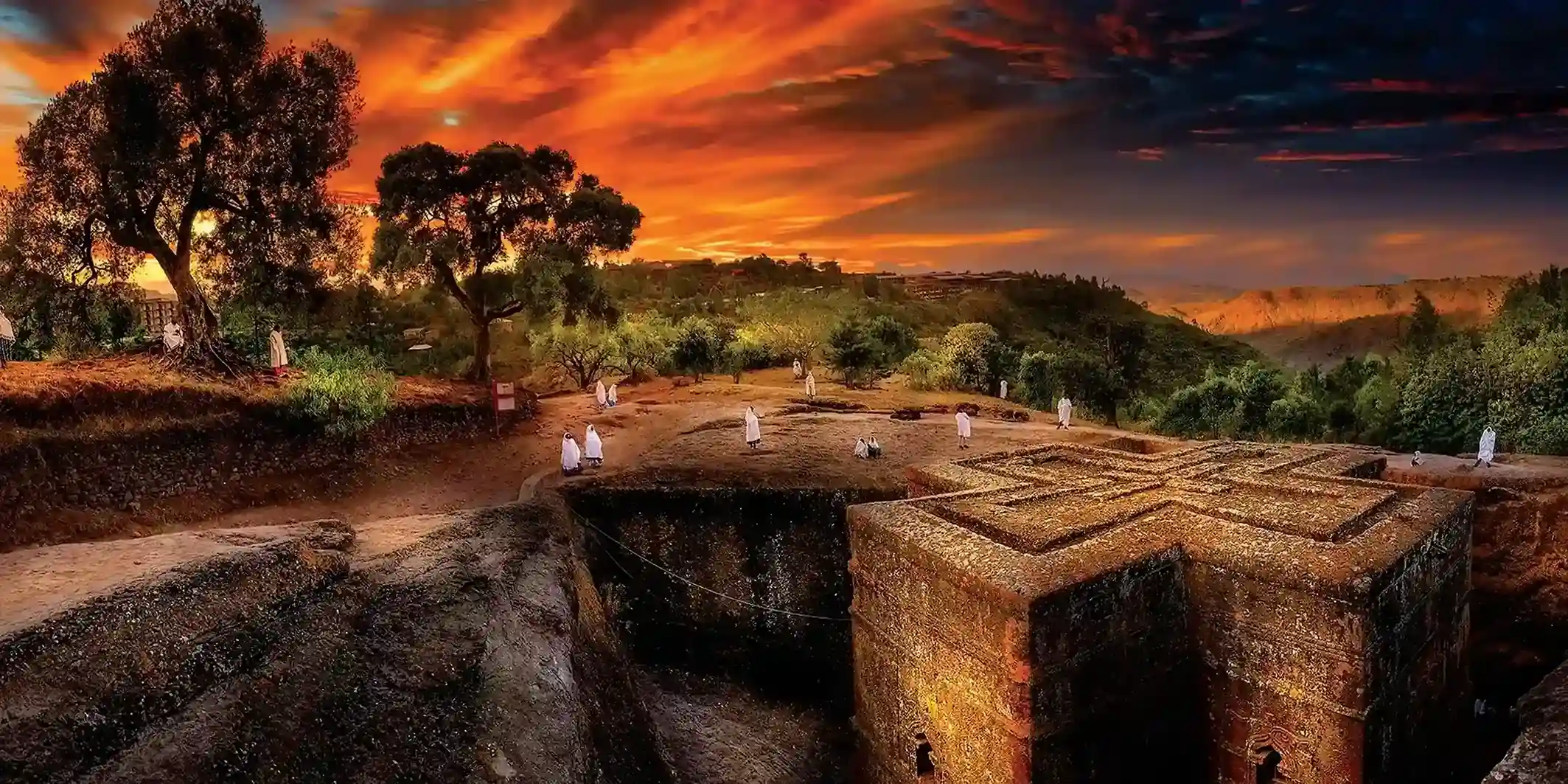 Image Credit: Africa Tour Guide
Ethiopia keeps its own time, its own calendar, and its own customs — learn to move with them, and the country opens right up to you.
Nigisti Solomon
Founder, Africa Tour Guide
None of these are hard rules to memorize before your flight — they're the kind of things I explain to every traveler in the first few hours of a tour anyway. But knowing them ahead of time means you'll spend less time confused and more time enjoying the country.
One of the first things that surprises visitors is that Ethiopia runs on its own calendar — 13 months, roughly seven to eight years "behind" the Gregorian calendar most of the world uses. It's why Ethiopia calls itself the land of "13 months of sunshine," and it's a genuinely fun bit of trivia to bring home. Just as important, Ethiopia also keeps its own clock: the day is counted from dawn, so what the rest of the world calls 7:00 AM is "1:00" in local Ethiopian time. Don't be surprised if a guide or hotel staff member gives you a time that sounds off by six hours — ask if they mean "Ethiopian time" or "international time," and you'll never miss a pickup.
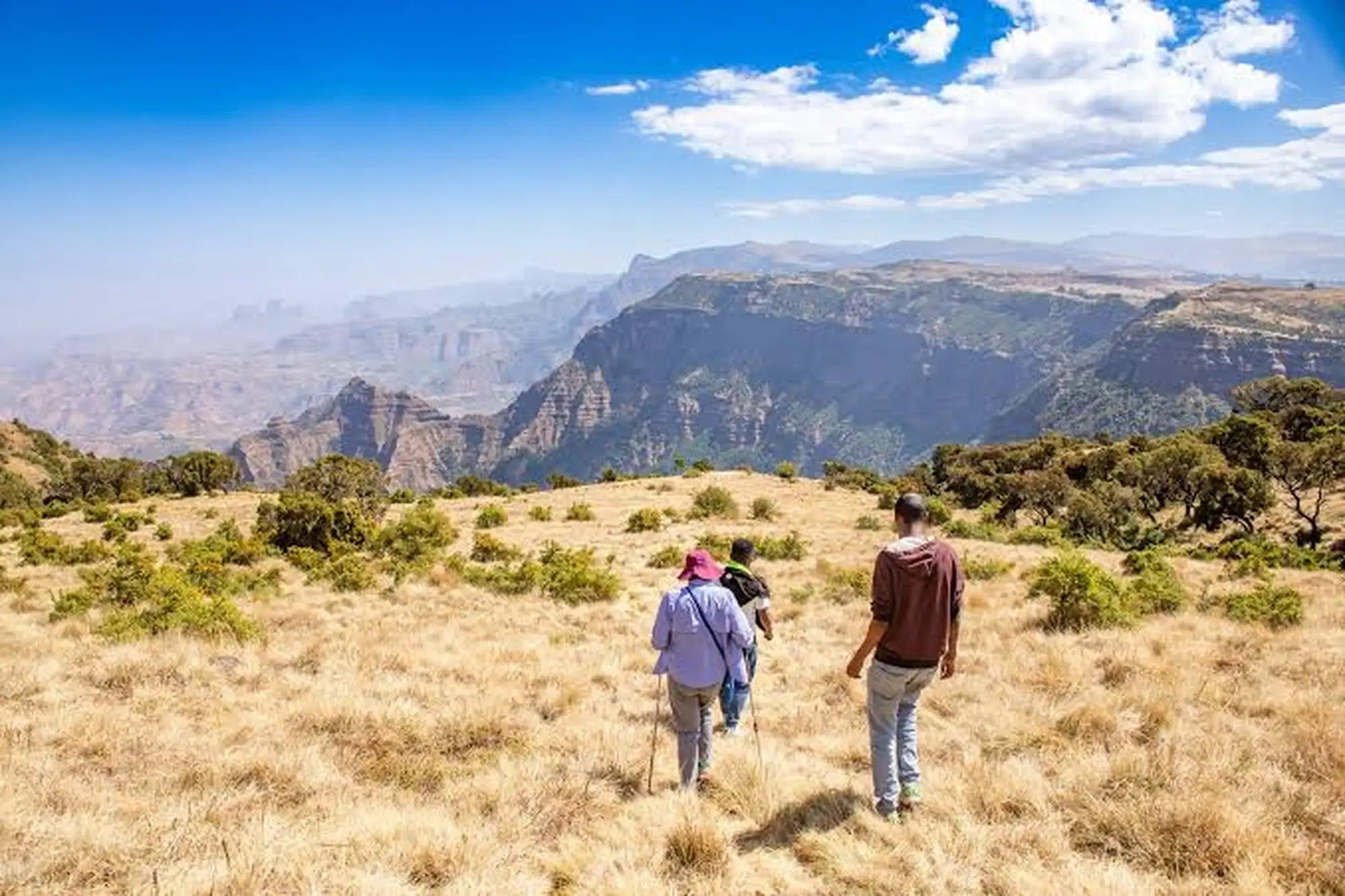
Addis Ababa sits at roughly 2,350 meters (about 7,700 feet), and if your itinerary includes the Simien Mountains, you'll climb considerably higher still. Altitude can catch travelers off guard, especially in the first day or two — shortness of breath, tiredness, or a mild headache are common and usually pass as you adjust. Pace yourself, especially on your first day, drink plenty of water, and go easy on alcohol until you've acclimatized. If you're planning any serious trekking at altitude, it's worth mentioning to your doctor before you travel.
The Ethiopian coffee ceremony is one of the most meaningful traditions you can experience here — coffee is believed to have originated in Ethiopia, and the ceremony (roasting the beans, brewing them over hot coals, and serving three rounds) is an act of hospitality, not just a drink. Take your time with it; rushing through a coffee ceremony misses the point entirely. At mealtimes, injera is traditionally eaten with the right hand only, tearing off a piece to scoop up the stew alongside it — the left hand is considered impolite at the table. And when visiting the rock-hewn churches of Lalibela or Axum, dress conservatively: cover your shoulders and knees, and be ready to remove your shoes before entering, as these are still active places of worship, not just historical sites.
Staying connected in Ethiopia is easier than many travelers expect. The state-owned Ethio Telecom is the long-standing network, and Safaricom Ethiopia has since launched service as well, so you have a choice of providers. Either way, the simplest option is to pick up a local SIM card as soon as you land at Addis Ababa Bole International Airport — bring your passport, as it's required for registration. Once you're set up, mobile data works well in Addis Ababa and most major towns, though signal understandably thins out in more remote areas like the Danakil Depression, so it's worth downloading offline maps before you head out of the city.
A curated list of the most popular travel packages based on different destinations.
Everything you need to know before you fly: visa requirements, health insurance, vaccinations, and packing essentials.
Discover the ritual, symbolism, and hospitality behind Ethiopia's iconic coffee ceremony.
A packing checklist for high-altitude trekking, from layers to sun protection.
Comments (0)
Leave Your Comment: