

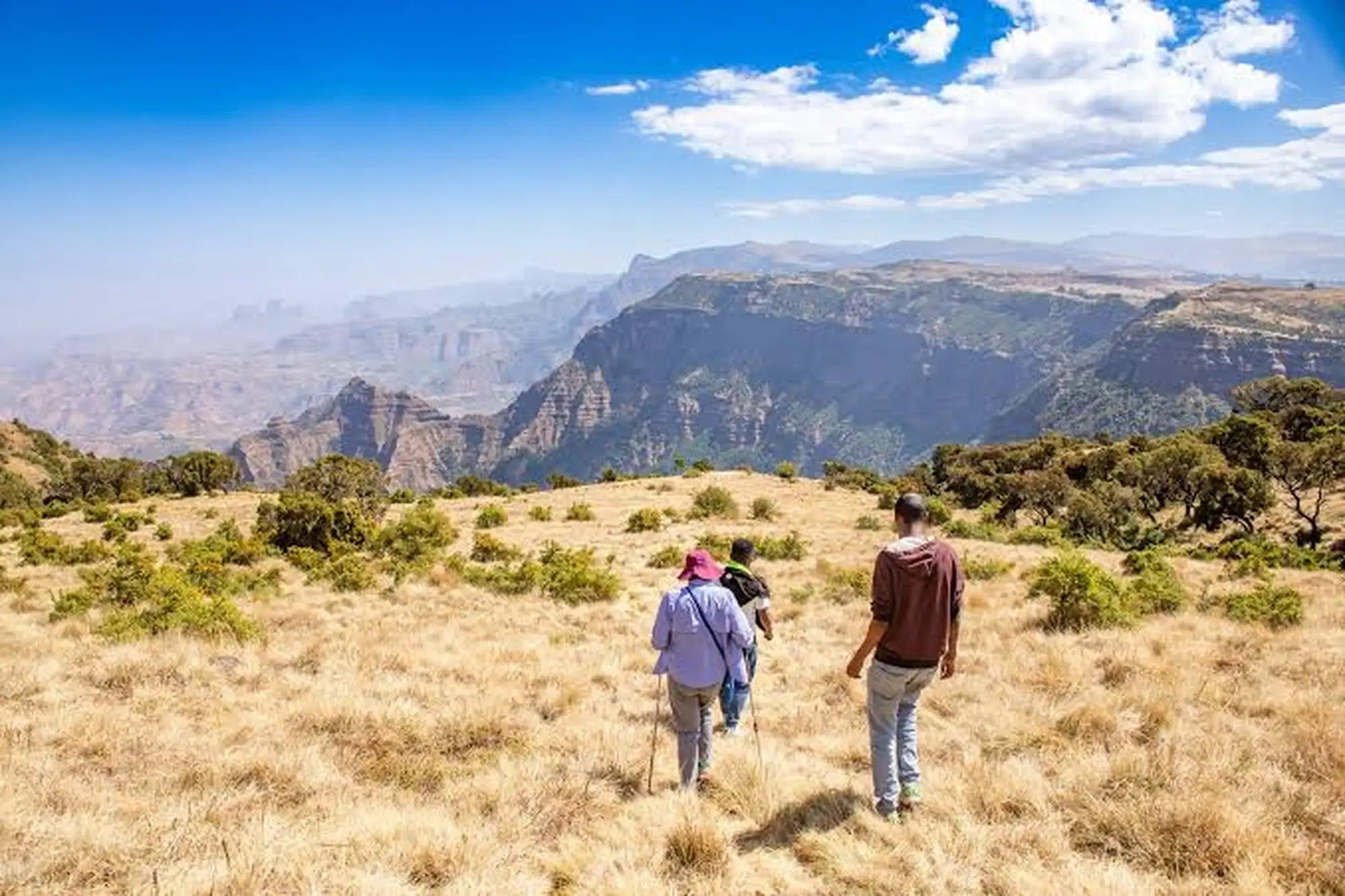
Top Travel Tips for Exploring Ethiopia
Navigate Ethiopia like a local. Learn about our unique 13-month calendar, cultural etiquette, and dealing with high altitudes.
Africa is a continent of extraordinary contrasts — ancient rock-hewn churches, high-altitude mountain trails, remote salt flats, and vibrant cities all within a single trip. A little preparation goes a long way toward making sure your journey is smooth, safe, and unforgettable. Here's everything our team recommends you sort out before you go, so you can spend less time worrying and more time exploring.
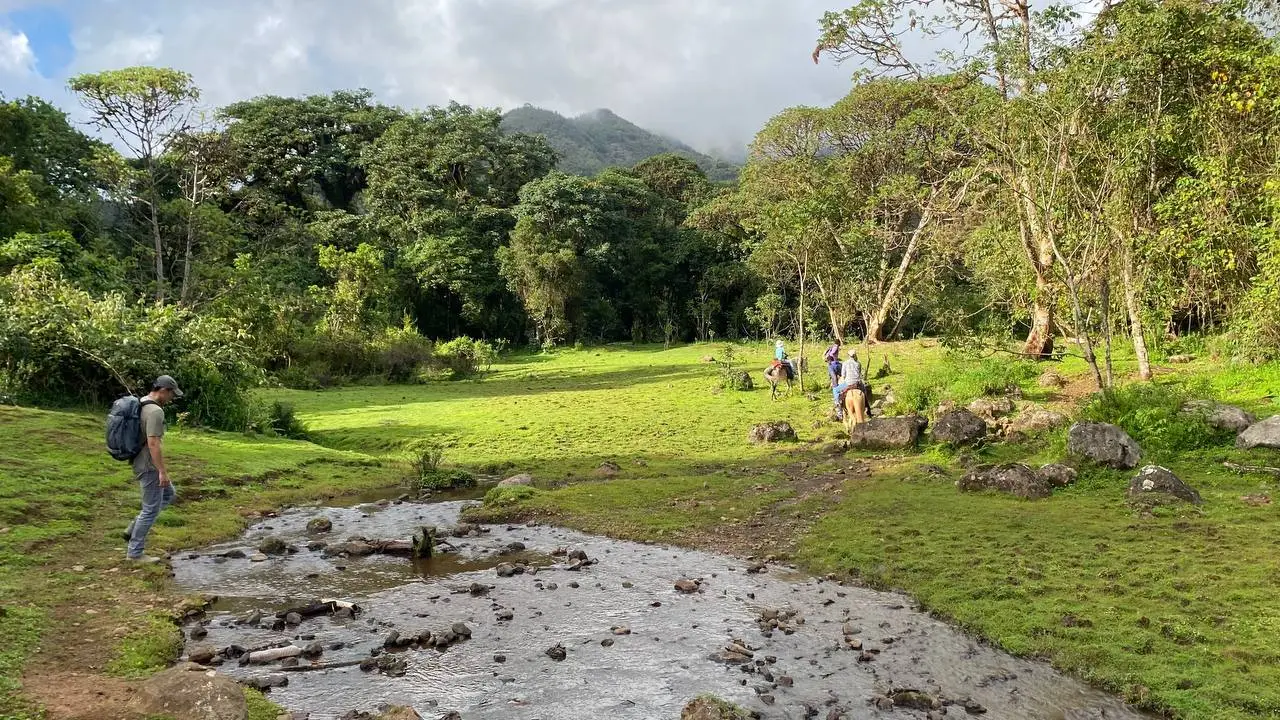 Image Credit: Africa Tour Guide
A little preparation before you land in Addis Ababa means every day of your trip can go toward the adventure, not the admin.
Nigisti Solomon
Founder, Africa Tour Guide
None of this needs to be stressful. Most of it comes down to sorting a handful of practical things out in the weeks before you travel — health, documents, money, and packing. Below is the complete checklist we walk our own travelers through before every trip.
It's important to be in good health before embarking on your journey to Africa. To minimize risks, consult your doctor well before traveling — this way you can receive personalized advice and make sure you're up to date on any necessary vaccinations, such as those for yellow fever, typhoid, hepatitis, and malaria prevention. It's also worth bringing a first-aid kit and any prescription medications with you, since access to specific medicines can be limited once you're outside major cities.
Choosing the right health insurance for your trip is crucial. Make sure your plan explicitly covers international travel, including medical evacuations and treatment while in Africa — this is the difference between a manageable hiccup and a genuine crisis if something unexpected happens far from home. If you're unsure which plan is right for your itinerary, our team is happy to help point you toward coverage that actually matches your travel needs.
Carry cash in US dollars or euros. ATMs aren't available in every city, and even where they exist, empty machines or poor connections when withdrawing with a card are common. Having cash on hand means you'll never be caught off guard, especially in smaller towns and rural areas where electronic payments aren't widely accepted.
Domestic flights typically allow just one checked bag (up to 20kg) and one carry-on, so pack accordingly. Baggage policies do vary by airline, so it's worth checking the specific restrictions for your route before you fly. We always recommend packing lightly and using durable luggage, especially if part of your journey takes you through areas with more limited infrastructure.
Greetings, dress codes, and appropriate behavior vary from one region to another, so it's worth learning the basics before you arrive. A handshake or a verbal greeting is customary when meeting someone for the first time in most parts of Africa. Learning even a few phrases in the local language goes a long way toward building rapport and showing respect for the places you're visiting.
Climate varies significantly by region, so pack according to where you're actually headed. Lightweight, breathable clothing works best for hot and humid areas, while layers are essential for cooler climates or early-morning safari drives. Don't forget sunscreen, a hat, insect repellent, comfortable walking shoes, and a reusable water bottle, since clean drinking water isn't always guaranteed on the road.
Staying connected can be genuinely challenging in rural areas with weak mobile signal or limited internet access. Buying a local SIM card on arrival, or bringing an unlocked phone so you can do the same, will make communication far easier. It's also worth downloading offline maps and any essential travel apps in advance, so you can navigate unfamiliar areas even without a signal.
Make sure your passport is valid for at least six months beyond your travel dates, and check the visa requirements for wherever you're headed — many African countries, including Ethiopia, offer visa-on-arrival or e-visa options that make this straightforward. It's also smart to make photocopies of your passport, visa, and insurance documents, and to keep them stored separately from the originals in case anything is lost or stolen along the way.
A curated list of the most popular travel packages based on different destinations.
Navigate Ethiopia like a local. Learn about our unique 13-month calendar, cultural etiquette, and dealing with high altitudes.
Discover the ritual, symbolism, and hospitality behind Ethiopia's iconic coffee ceremony.
A packing checklist for high-altitude trekking, from layers to sun protection.
Comments (0)
Leave Your Comment: