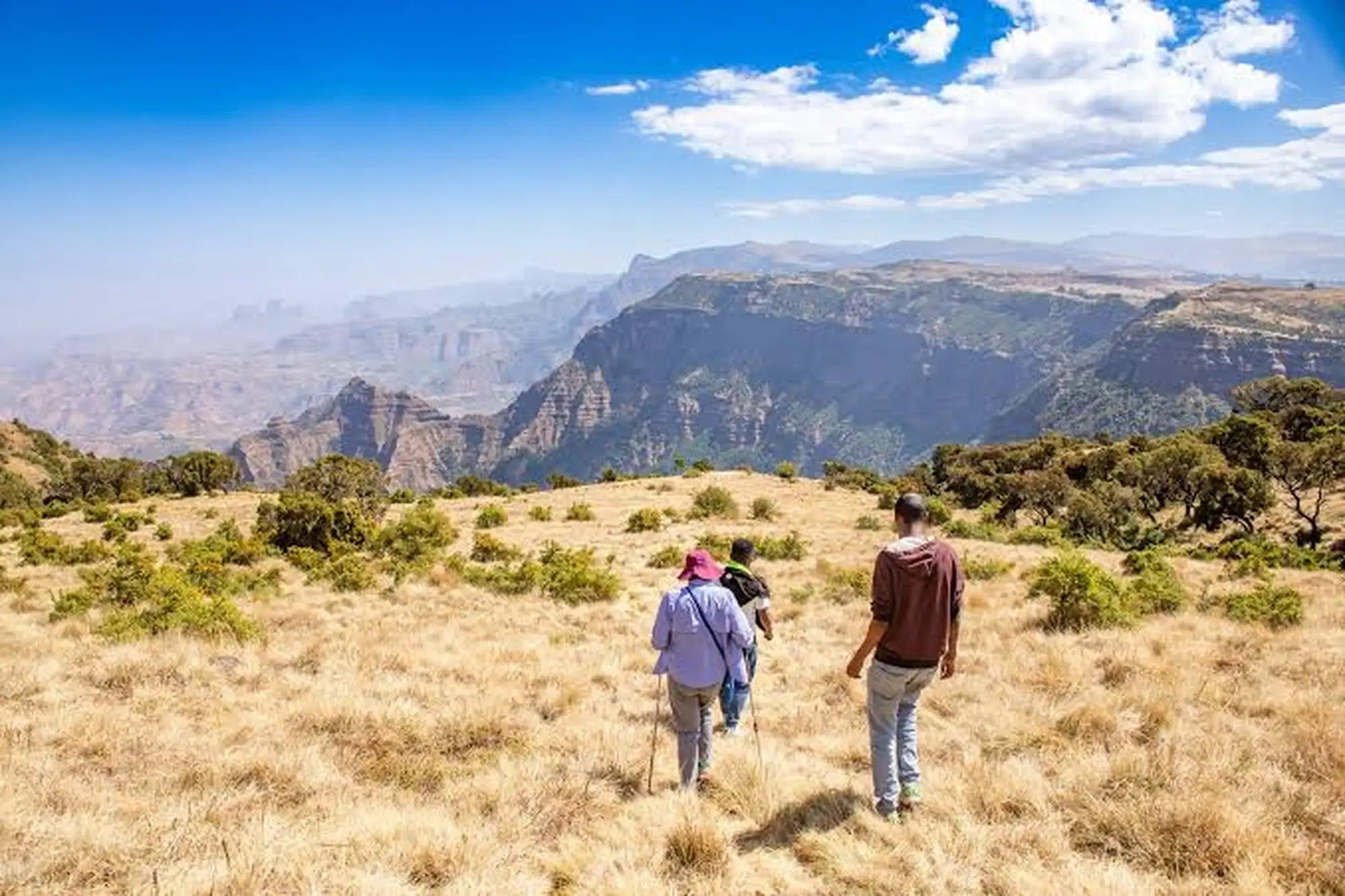
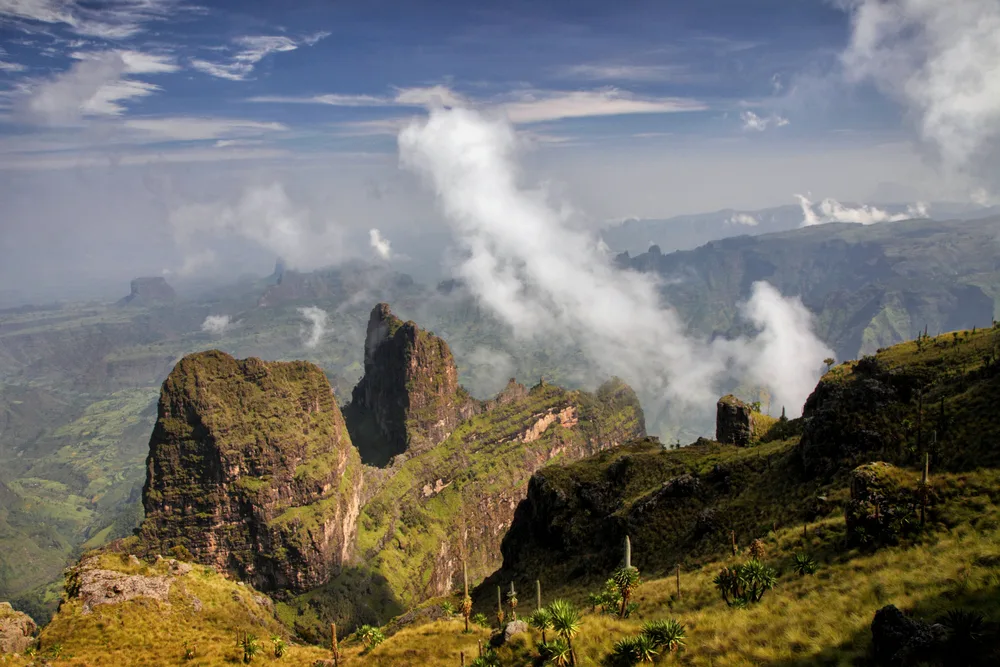
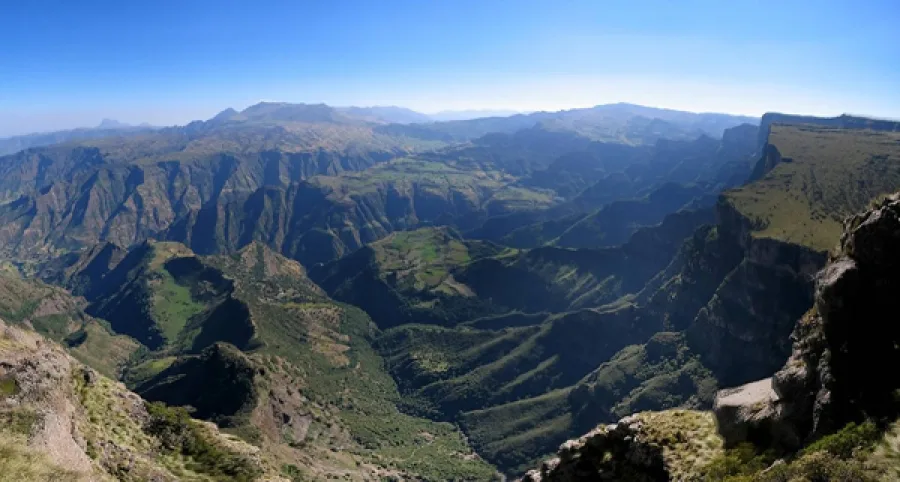
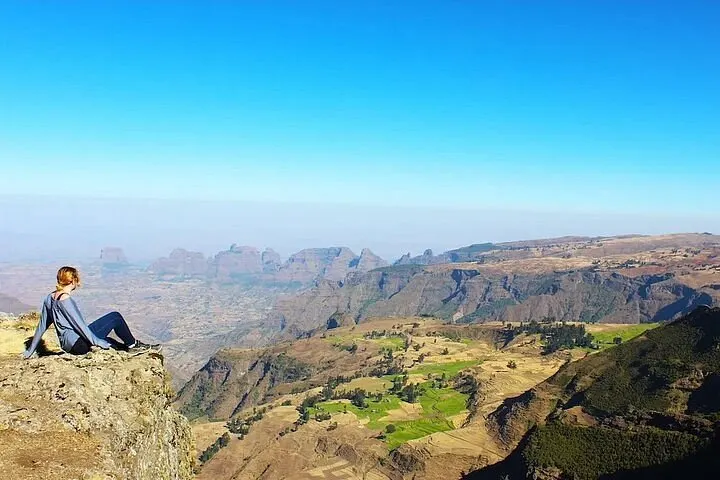
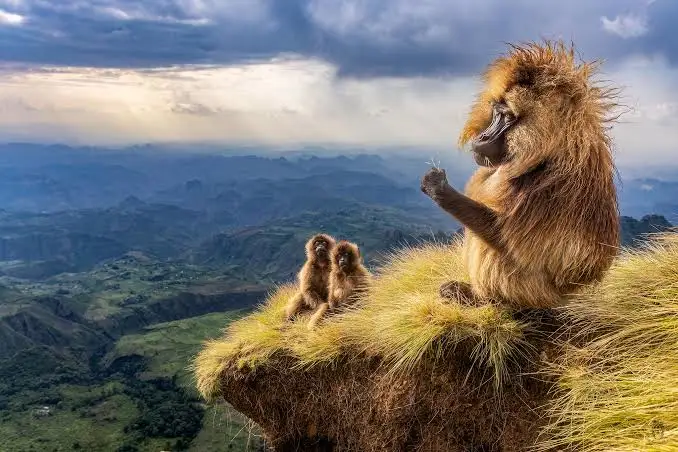
The Simien Mountains are Ethiopia's "Roof of Africa" — a UNESCO World Heritage Site since 1978, carved into jagged escarpments, pinnacles, and cliffs that plunge over 1,500 meters into the valleys below. This is trekking country at its most dramatic, crowned by Ras Dashen (also known as Ras Dejen), Ethiopia's highest peak at 4,533 meters. The park is also a wildlife sanctuary found nowhere else on Earth, home to the endearing Gelada baboon, the elusive Walia ibex, and the rare Ethiopian wolf, all roaming freely across some of Africa's most spectacular highland scenery.
Best Time to Visit Best Time to VisitThe Simien Mountains were born from ancient volcanic basalt that erupted millions of years ago, later lifted skyward by tectonic activity and carved by rainfall and glaciation over millennia into the steep canyons, high plateaus, and jagged peaks visitors trek through today. Fittingly, the name "Simien" itself means "north," marking this range as the anchor of the Northern Ethiopian Highlands. The park covers 412 square kilometers, with much of that ground sitting above 2,000 meters and more than a dozen individual peaks exceeding 4,000 meters — a concentration of high-altitude terrain rare anywhere in Africa. Plant life shifts dramatically with elevation, from forest and woodland lower down to open grassland and moorland higher up, where the giant lobelia — a striking plant that can grow taller than ten meters — stands as one of the park's most distinctive sights.
That dramatic terrain supports wildlife found almost nowhere else on Earth. The Walia ibex, one of the park's most famous endemic species, was hunted to the edge of extinction before a hunting ban allowed its numbers to slowly recover, and it remains one of the rarest sights a trekker can hope for. Large troops of Gelada baboons, instantly recognizable by their bushy manes, are a far more common encounter, grazing across the plateaus in groups that can number in the hundreds. The endangered Ethiopian wolf makes its home here too, though it's spotted less often than in the Bale Mountains further south — alongside more baboons, bushbuck, klipspringers, jackals, hyenas, and even leopards.
Birdwatchers have just as much reason to come. Close to 180 bird species have been recorded across the park, including species found nowhere outside Ethiopia, such as the Ankober serin, the black-headed siskin, and the thick-billed raven. Cliff-dwelling species like Rüppell's black chat are scattered along the escarpment walls, but the real showstopper is the lammergeyer — the bearded vulture — whose two-meter wingspan is unmistakable as it circles the cliffs on the hunt for bone marrow, its preferred meal.
It's this combination — dramatic geology on a scale that earned UNESCO World Heritage status, paired with an extraordinarily rare mix of endemic wildlife — that makes the Simien Mountains a destination of both national and international significance. Between trekking its escarpments, watching for the Walia ibex and Ethiopian wolf, and scanning the skies for a lammergeyer overhead, it's easy to see why this remains one of Africa's most awe-inspiring landscapes.
Because Nigisti doesn't just plan your trip — she shares it with you personally.
Our founder, Nigisti Solomon, grew up in Northern Ethiopia, home to the Simien Mountains and the ancient highlands beyond. She brings a lifetime of personal connection to this rugged, high-altitude landscape and its trekking routes.
You'll always know exactly what your Simien trek costs, from park fees to scout wages and mule hire. Nigisti personally reviews every itinerary, so pricing stays clear, honest, and fair from start to finish.
Questions about altitude, gear, or trail conditions before you go? You'll always be able to reach Nigisti or a trusted member of her team directly, because your trek through the Simien Mountains matters to us.
Everything you need to know about trekking the Simien Mountains with Africa Tour Guide.
Continue your journey through Ethiopia with these other Africa Tour Guide favorites.
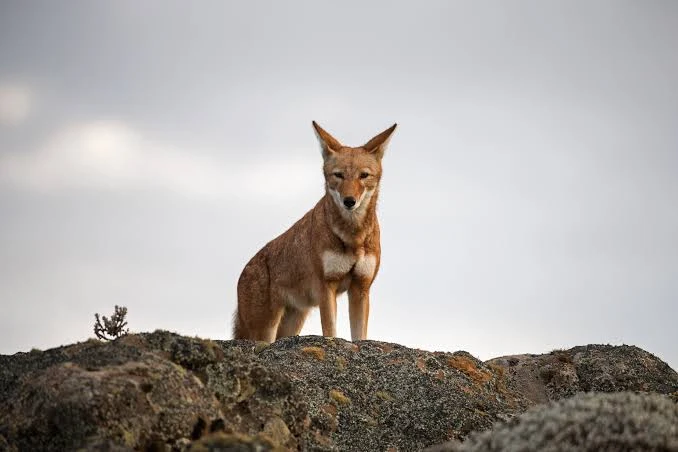
Africa's largest population of the rare Ethiopian wolf, roaming the Sanetti Plateau.
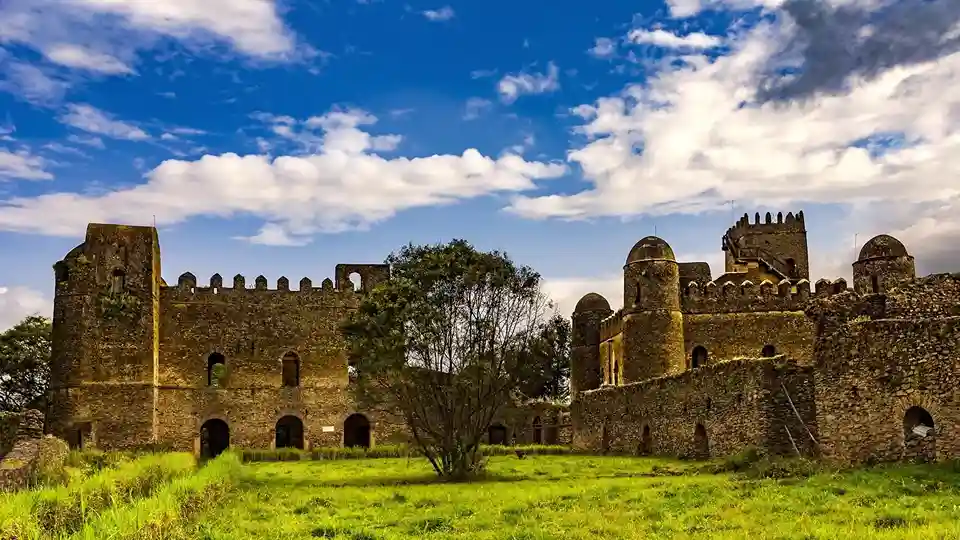
Explore the medieval castles of ‘Africa's Camelot,’ where royal history comes alive.
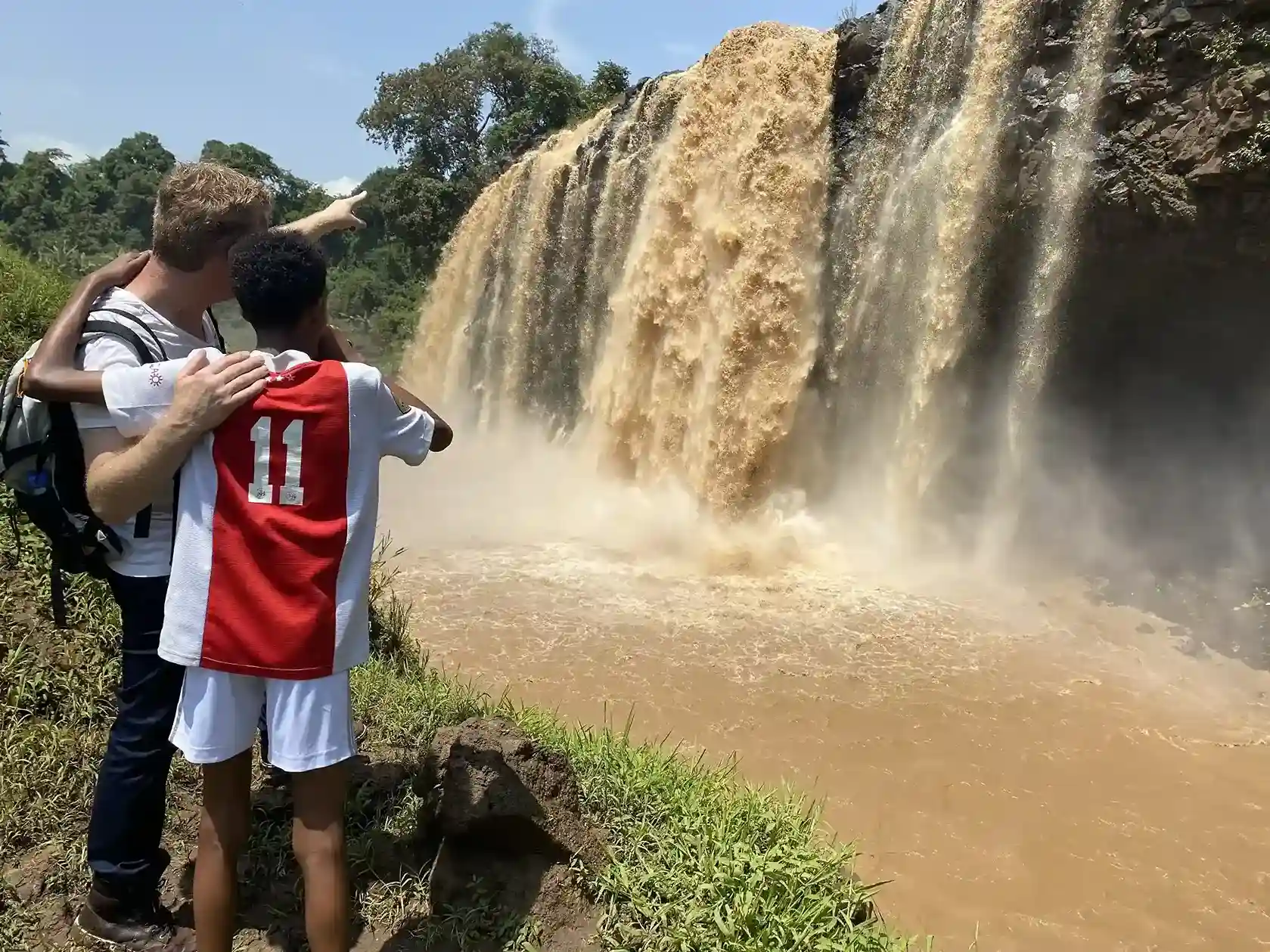
Discover Lake Tana's ancient island monasteries and the thundering Blue Nile Falls.
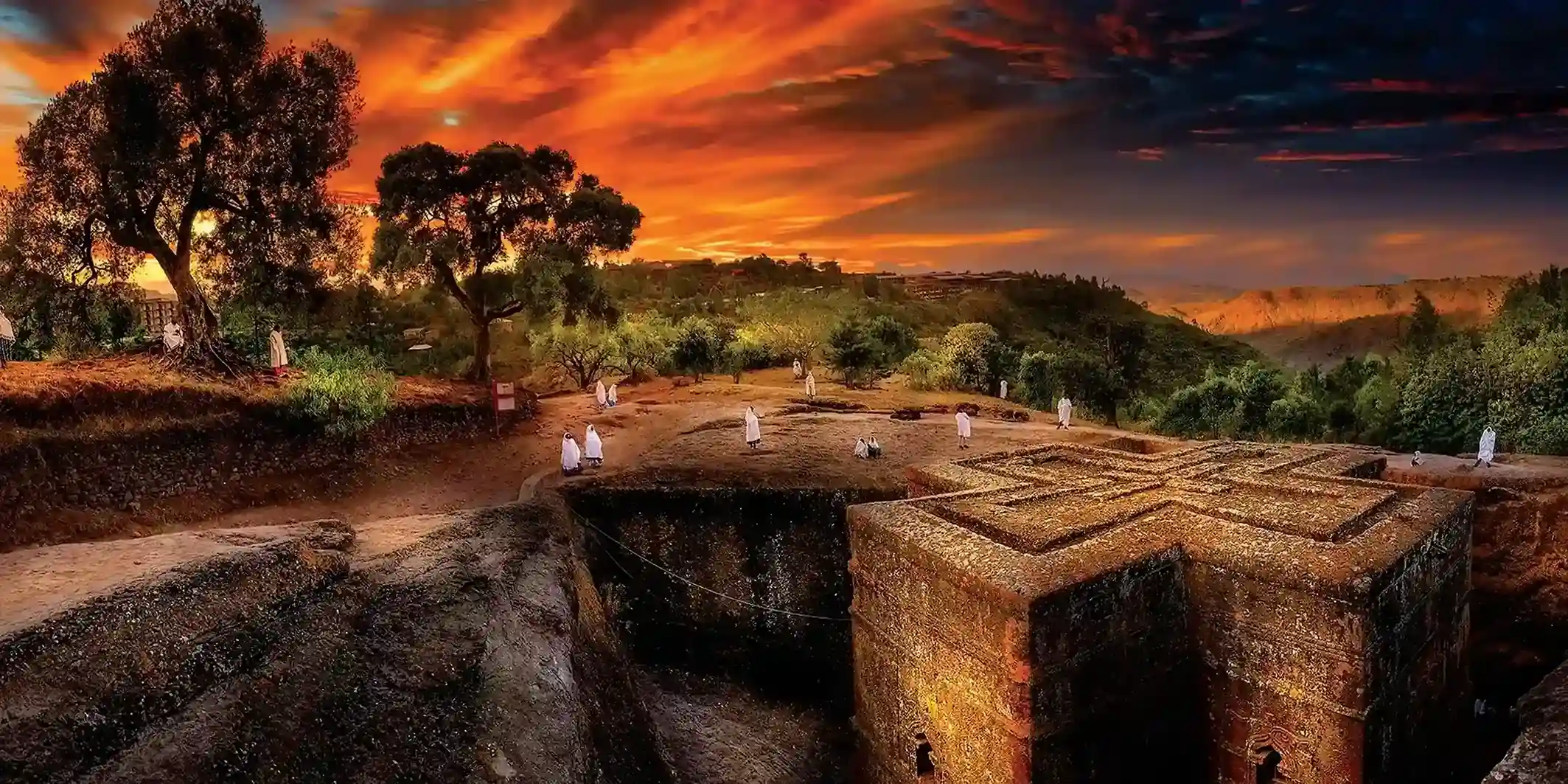
12th-century rock-hewn churches carved to mirror Jerusalem.